
Project Enquiries
Office fitout costs in Perth in 2026 usually range from $900 to $2,500, or more per square metre. The actual cost will depend on the design complexity, upgrades, and level of finishes chosen.
These costs can vary significantly between basic refurbishments, mid-range corporate fitout, and premium architectural workspaces. Other factors, such as the current condition of the building, compliance requirements, and the scale of the project, influence the final investment.
This guide will outline the key cost ranges, what is typically included, what drives costs, and how to plan a fitout in the current Perth market. It’s designed to help property owners, project stakeholders, and tenants make informed budgeting and planning decisions.
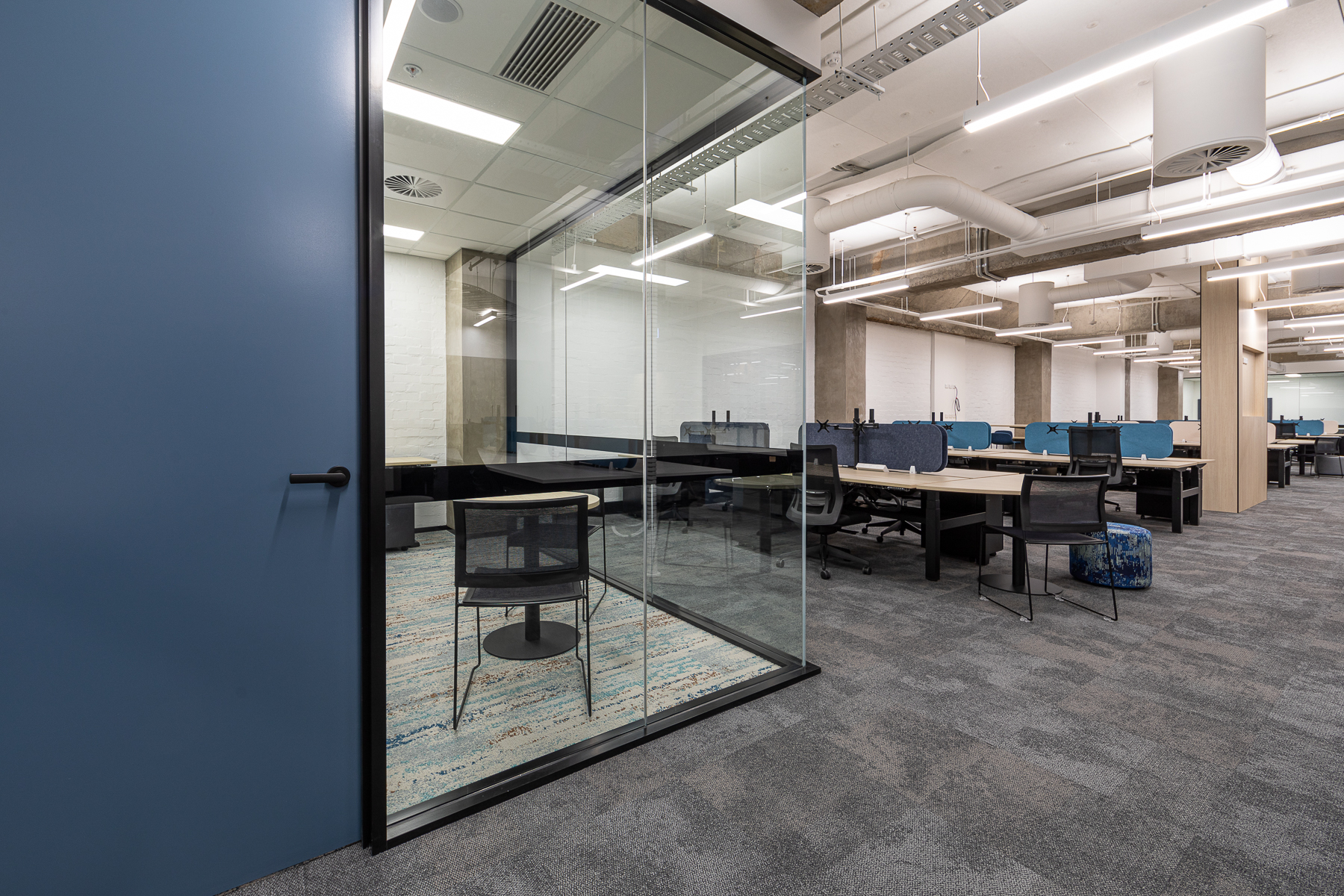
Office fitout costs in Perth in 2026 range from just $900 to over $2,500 per square metre, depending on the level of finish and project complexity.
| Fitout Level | Estimated Cost per m2 | General Description |
| Basic refurbishment | $900-$1,200/m2 | Paint, flooring replacement, and minor upgrades with low range workstations and offices |
| Mid-range corporate fitout | $1,200-$1,800/m2 | New partitions, meeting rooms, upgraded finishes with mid-high range workstations |
| Premium fitout | $1,800-$2,500+/m2 | High-end finishes, bespoke joinery, services upgrades |
These costs represent construction costs only and exclude GST. They also exclude design fees, consultant costs, authority approvals, and statutory charges.
Compared to Eastern states, Perth pricing can be influenced by factors such as freight costs for materials, local labour market conditions, and compliance requirements specific to Western Australia. While pricing can be competitive, project timelines and procurement strategies often play a role in overall costs.
Office fitout costs typically include construction, internal partitions, ceilings, flooring, electrical and data services, fire protection, HVAC modifications, painting, and standard finishes.
Construction and building works include the physical transformation of the space. Common elements are demolition of existing structures, construction of partition walls, installation of doors and hardware, suspended ceilings, and new flooring systems. These works form the structural foundation of the fitout.
Services are a major component of fitout costs. This includes lighting and electrical systems, data cabling, and mechanical services such as HVAC modifications. Fire services, emergency lighting, and accessibility compliance measures are also typically required to meet building regulations and standards.
Fitout costs also cover internal finishes and built-on elements such as joinery, kitchens, and breakout areas. Where required, bathroom upgrades or installations may be included. This depends on the tenancy and base building provisions.
It’s important to note that loose furnishings, such as desks and chairs, are usually excluded. IT equipment and major infrastructure improvements usually fall outside the standard fitout scope and require separate budgeting.
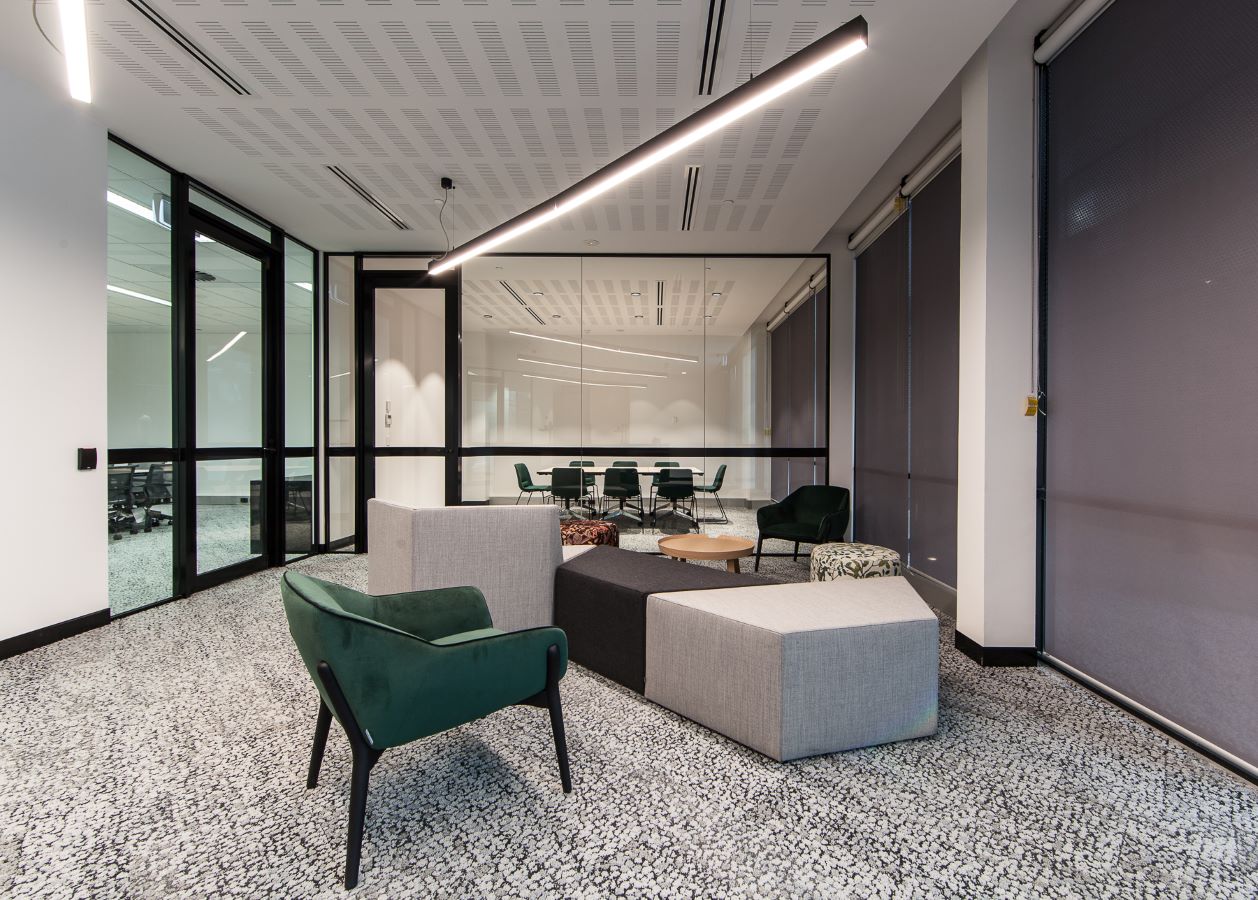
Office fitout costs in Perth are influenced by factors such as the size of the space, level of finishes, required services upgrades, building constraints, and broader market conditions.
The size of tenancy also plays a key role in fitout costs. Large spaces may benefit from economies of scale, reducing the cost per square metre. By contrast, smaller tenancies may have a higher cost per square metre due to fixed project overheads.
Another major cost driver includes the level of finishes. Standard commercial finishes are more cost-effective, generally. Bespoke joinery, feature elements, and premium materials typically result in higher costs.
Service upgrades can have a major impact on costs. Modifications to HVAC systems, electrical switchboards, or fire services may be required depending on the infrastructure of the existing building and the intended use of the space.
Building constraints also influence fitout costs. Existing conditions, access limitations, after-hours work requirements, and CBD logistical restrictions can all increase construction complexity and costs.
Finally, market conditions in 2026, including labour availability, material pricing, and supply chain lead times, continue to influence project pricing and timelines. Projects requiring fast delivery or specialised trades may increase overall costs.
Effective planning is necessary for managing office fitout costs and reducing financial risks. Early engagement with a contractor allows for more accurate cost planning and feasibility assessments before lease commitments are finalised. This will help ensure the proposed space aligns with both operational requirements and budget expectations.
Having a clear project scope is critical. Defining layout, finishes, and service requirements early reduces the likelihood of variations during construction, which can also increase costs.
It is also advisable to include a contingency allowance of between 5 and 10% to account for unforeseen conditions or changes.
Choosing the right delivery model, such as design and construct versus traditional tender, can also impact cost certainty and project timelines. Additionally, aligning the fitout programme with lease dates and approval processes helps avoid delays and associated costs.
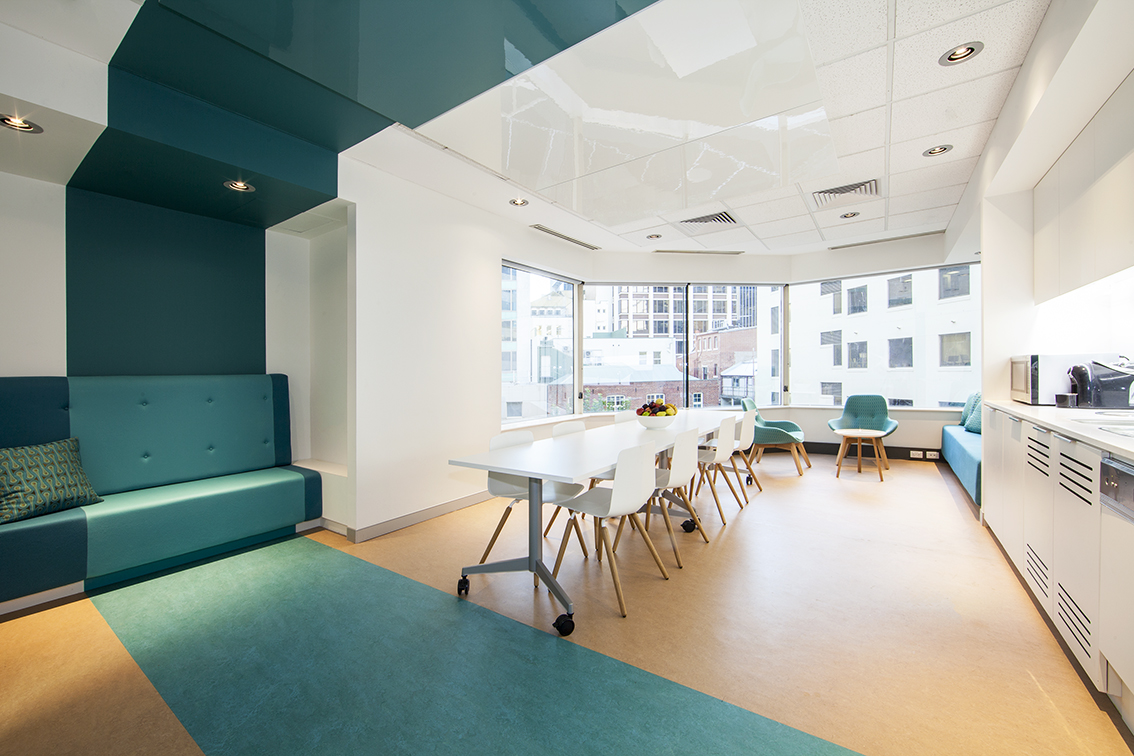
Office fitout costs in Perth in 2026 generally range from $900 to $2,500+ per square metre, depending on scope, finishes, and service requirements. No two projects are identical, and costs can vary based on building conditions, design intent, and market factors. Early planning, clear scope definition, and professional cost guidance are essential to achieving a successful outcome.
For accurate budgeting and tailored advice, a detailed site assessment and project brief are recommended. To discuss your project or obtain a feasibility estimate for your Perth office fitout, contact the Davidson Projects team today.
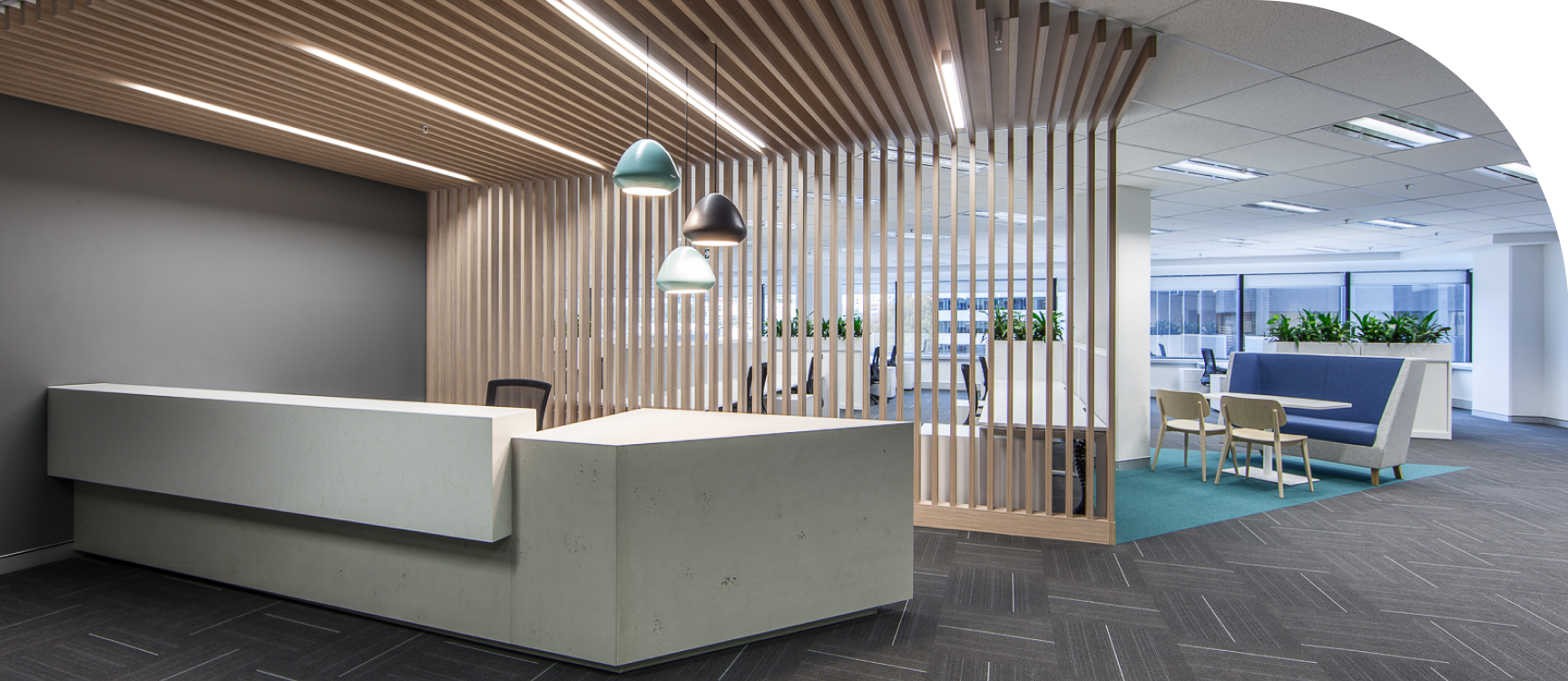
Contact Davidson Projects for office fit outs, office interiors, office refurbishment, base building, or to receive a quote.
Contact Us