
Project Enquiries
It’s time to upgrade your commercial space when it no longer supports your people, operations or business goals, and the warning signs usually appear well before the space looks outdated.
In many cases, the first signs show up in daily frustrations: crowded workstations, recurring maintenance issues, a shortage of meeting rooms or a layout that no longer suits how employees work.
These problems can affect productivity, employee satisfaction, customer impressions and operating costs, and they often become more expensive to fix the longer they are ignored.
Below are seven signs it’s time to consider an office refurbishment, commercial fitout or more substantial workplace redesign.

The seven most common signs your commercial space is due for an upgrade are an inefficient layout, business growth, employee concerns, recurring maintenance, rising operating costs, outdated technology infrastructure and an approaching lease renewal.
Your current layout no longer works when it stops supporting how your people use the space, such as when employees struggle to find a quiet place to work, meeting rooms are constantly booked, or teams work in areas never designed for their needs.
Typical layout issues include:
These issues often develop gradually as a business grows or changes. A layout that worked well for ten employees can feel uncomfortable and inefficient for twenty.
An upgrade can improve the way different areas connect and make better use of the available floor area. In some cases, the business already has enough space and simply needs a better layout.
Business growth becomes a reason to upgrade when your workplace was designed for a smaller team and can no longer comfortably accommodate the people, equipment and amenities you now need. Temporary fixes can help in the short term, but they often leave the workplace disorganised and uncomfortable.
Some signs that growth has outpaced your workplace include:
Before assuming you need to move, assess whether your existing space can be reconfigured. Compact storage solutions, new partitions, shared facilities and a more efficient workstation plan can increase capacity without taking on a larger lease.
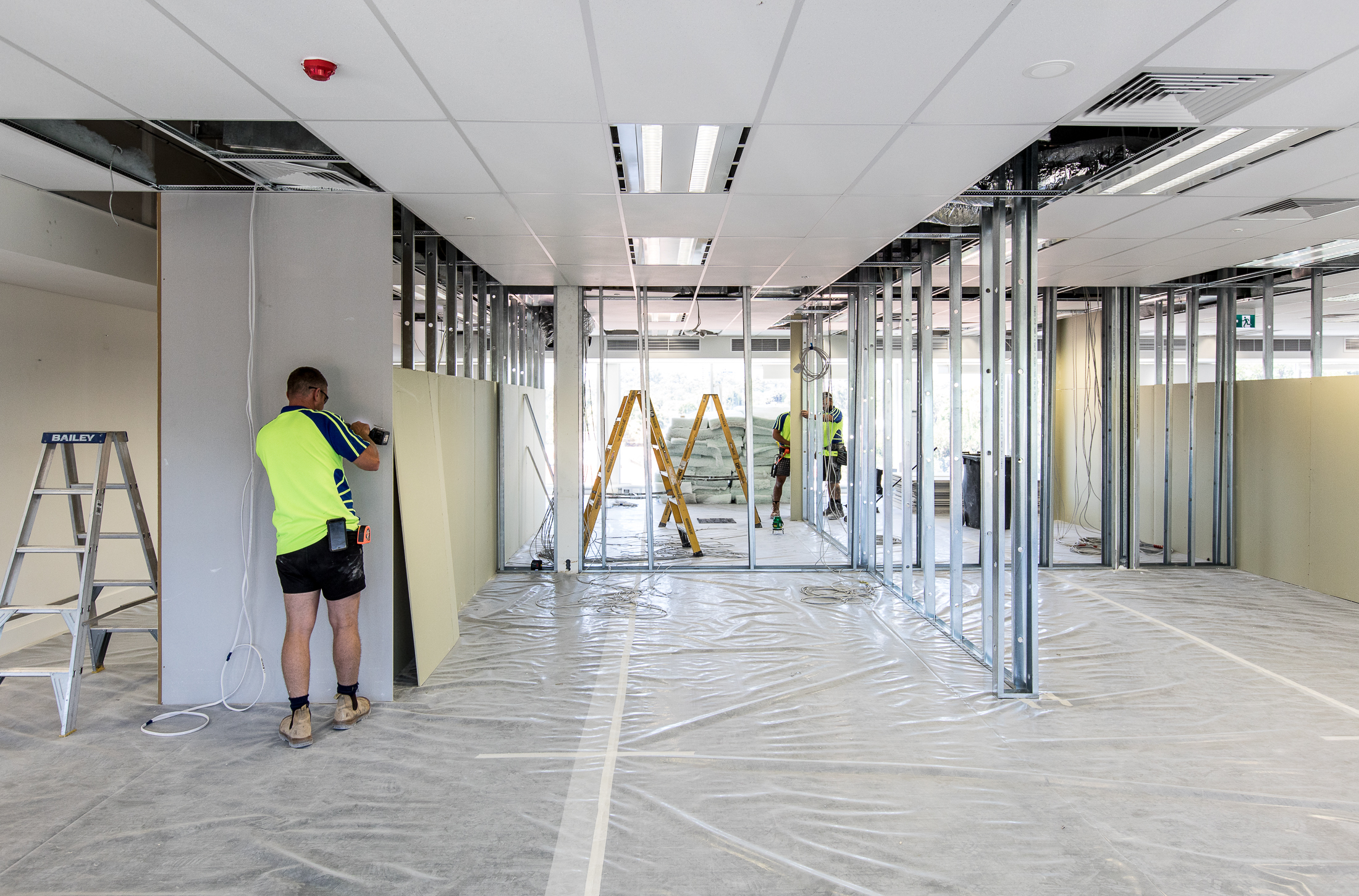
Employee concerns are one of the clearest early signs that a commercial space needs upgrading, because the people who use it every day often notice problems before management does. Complaints about noise, temperature, lighting, privacy or limited workspace should not be dismissed as minor, as they can point to wider design issues.
Employee feedback shows which improvements will have the greatest practical value. Involving employees early can help create a workplace that supports their daily activities, rather than focusing only on appearance.
Recurring maintenance problems indicate that parts of your commercial space are reaching the end of their useful life and could cost more to keep repairing than to upgrade.
Signs of an ageing fitout include:
Small repair bills add up quickly and can interrupt normal operations, leaving the space looking untidy or unprofessional.
Combining repairs with a planned refurbishment is often more cost-effective than addressing each problem separately. It also allows the business to improve the space rather than simply restore outdated features.
Rising energy and operating costs often signal that the lighting, equipment and building systems in your commercial space are using more energy than necessary.
If power bills are increasing without a clear reason, the building’s fixtures or services likely need attention. Poor insulation, inefficient lighting and ageing air-conditioning systems can all contribute to higher operating costs.
An energy-focused upgrade can include:
These improvements can reduce ongoing costs and make the workplace more comfortable, while also supporting your business’s and your clients’ environmental goals.
If you want to know which upgrades will make the biggest difference to your running costs, read our Ultimate Guide to Sustainable Office Fitouts and plan an energy-efficient workspace.

Technology could have outgrown your current workplace when your power, data and audiovisual infrastructure can no longer support the devices or software that your team uses. If the space hasn’t kept pace with how your team now works, everyday tasks can become slow, frustrating or even unsafe.
You may need a technology upgrade if you notice:
Adding individual devices can provide a short-term solution, but a more coordinated upgrade is usually required to support hybrid work, digital collaboration and future growth.
Technology planning should form part of the overall fitout strategy so that power, lighting, data, furniture and audiovisual systems work together rather than being added separately.
Preparing to renew or negotiate a lease is one of the best times to review whether your current premises still meet your needs and whether to upgrade, refurbish or relocate.
Before renewing, consider the following:
Space and staffing: Review how much space the business currently uses and how that compares to the expected staffing levels. Factor in future technology and operational needs so the premises can support the business for the length of the lease.
Lease terms: Check on the lease duration and which responsibilities sit with the landlord, particularly for the repairs and building services. It’s also worth asking about potential incentives, such as rent-free or fitout contributions, to help with funds.
Costs: Compare the cost of any required repairs or upgrades with the overall cost of refurbishing your current premises versus locating. This will help you decide which option offers the best long-term value for the business.
If you plan to remain in the property, an upgrade can help the space support the next stage of the business. Depending on the lease negotiations, the landlord may contribute to certain improvements or provide an incentive.
If the business is likely to relocate, planning should begin well before the lease ends, because a new commercial fitout takes time to design, price, approve and construct.
The most useful questions to ask before upgrading your commercial space cover the problems you need to solve, how the space will be used now and in future, and the budget, approvals and lease conditions that will shape the project.
Consider asking:
If approvals are needed, investigate them early. Projects involving structural work, essential services, plumbing, fire systems or a change of use can require building permits, council approval or landlord consent, and these can affect your timeline.
Clear answers will make it easier to define the project scope and avoid spending money on improvements that do not address the underlying problems.

The best time to upgrade a commercial space is usually before overcrowding, equipment failure or lease deadlines force a rushed decision.
Early planning provides more time to assess the workplace, set a realistic budget, explore design options and schedule construction around business operations. It can also allow the work to be completed in stages, reducing disruption for employees and customers.
Davidson Projects provides commercial fitouts and office refurbishments for businesses across Perth and Western Australia. The team can manage projects ranging from targeted workplace improvements to integrated and turnkey commercial solutions.
If your workplace no longer supports how your organisation operates, contact Davidson Projects to discuss options for updating your premises.
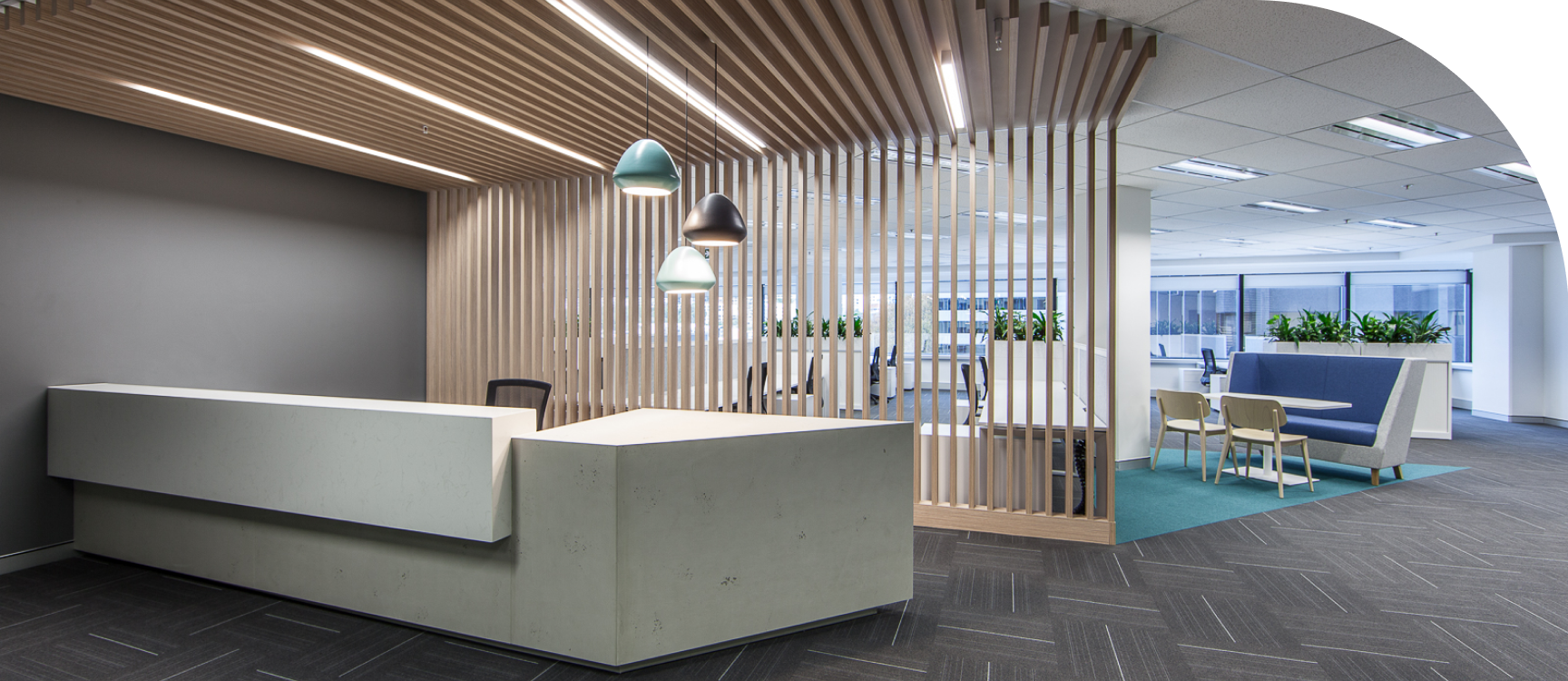
Contact Davidson Projects for office fit outs, office interiors, office refurbishment, base building, or to receive a quote.
Contact Us